Date
About the AICC Workshop
Description
The climate crisis is one of the most pressing challenges facing our societies. While mitigating further climate change remains crucial — e.g. through the conservation of natural carbon stocks and biodiversity hot spots — the adaptation to new climate conditions with increased risks of flooding, heat waves, and wildfires is becoming inevitable. Machine learning (ML) promises advanced analytical tools to better understand climate processes and to monitor biodiversity and vegetation health.
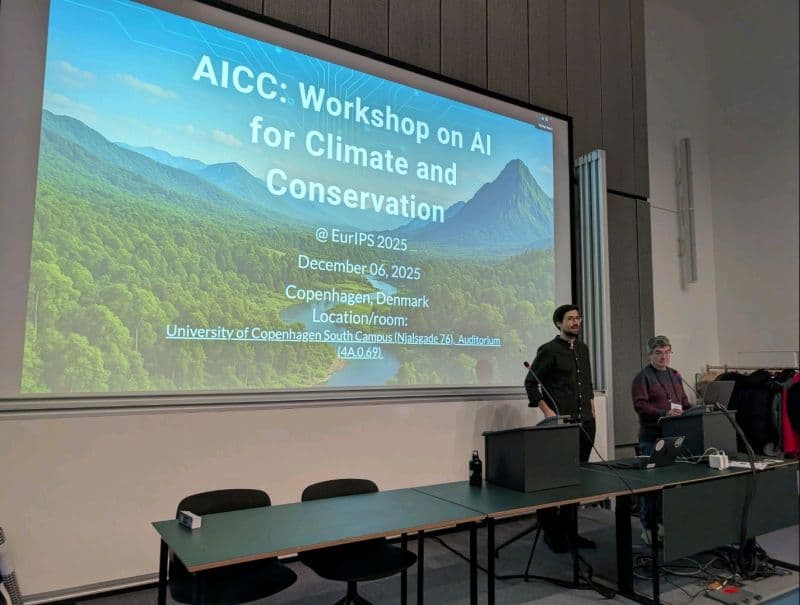
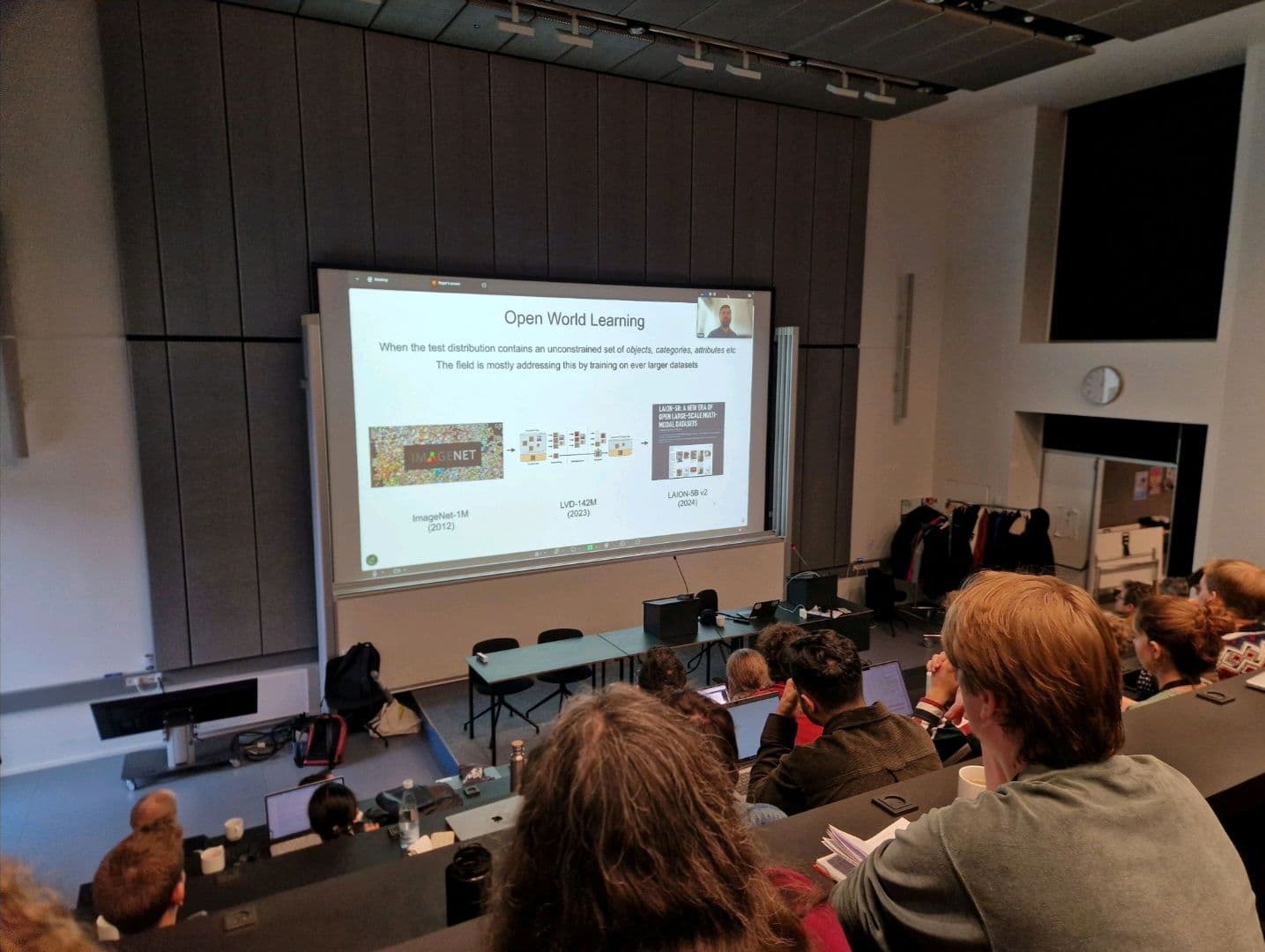
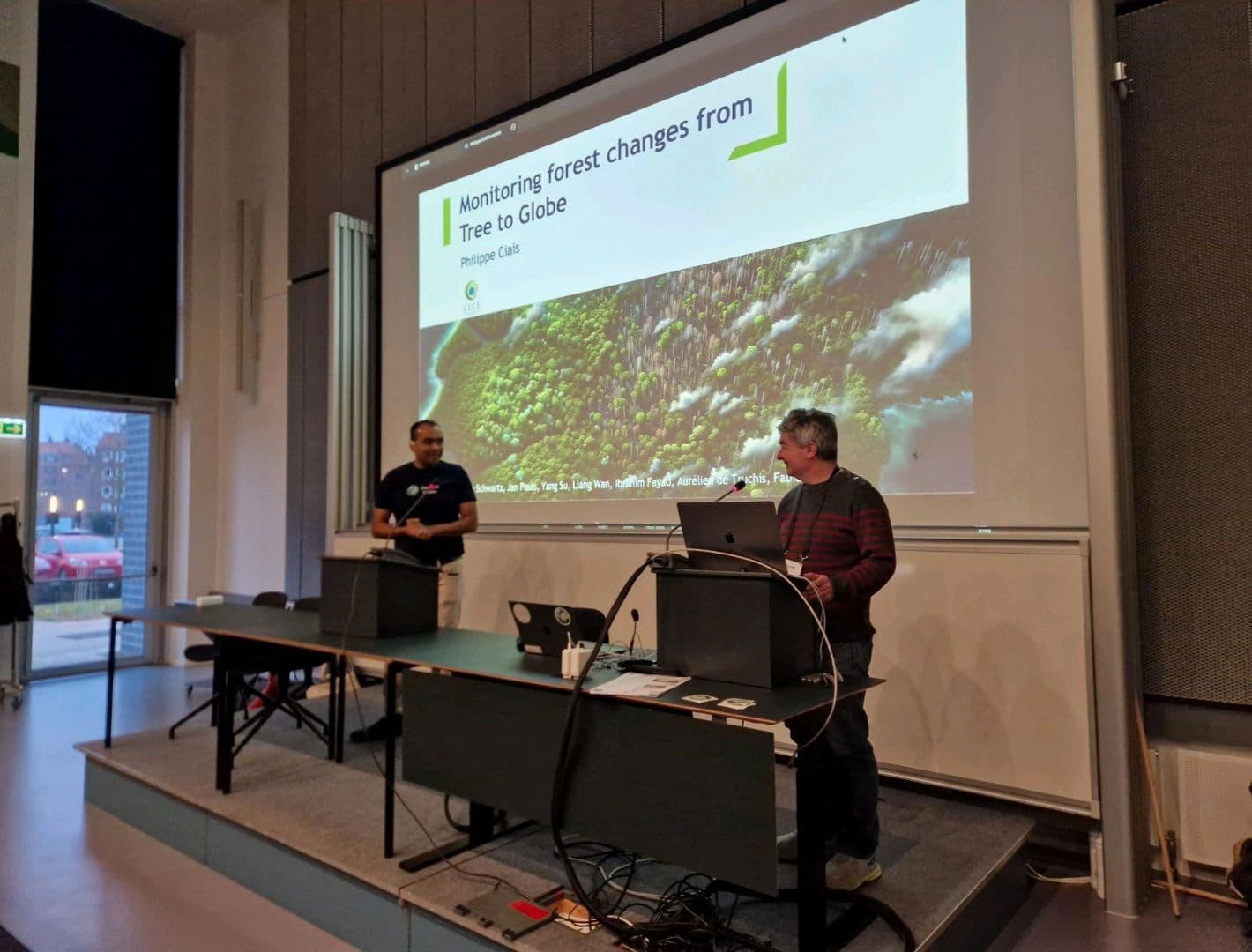
The AICC workshop identified open problems in the domain of Climate and Conservation, and explored success stories, where artificial intelligence (AI) made a positive impact on our planet. The workshop brought domain experts alongside ML experts to discuss open challenges in their work, inspiring the ML audience to contribute to these urgent challenges.
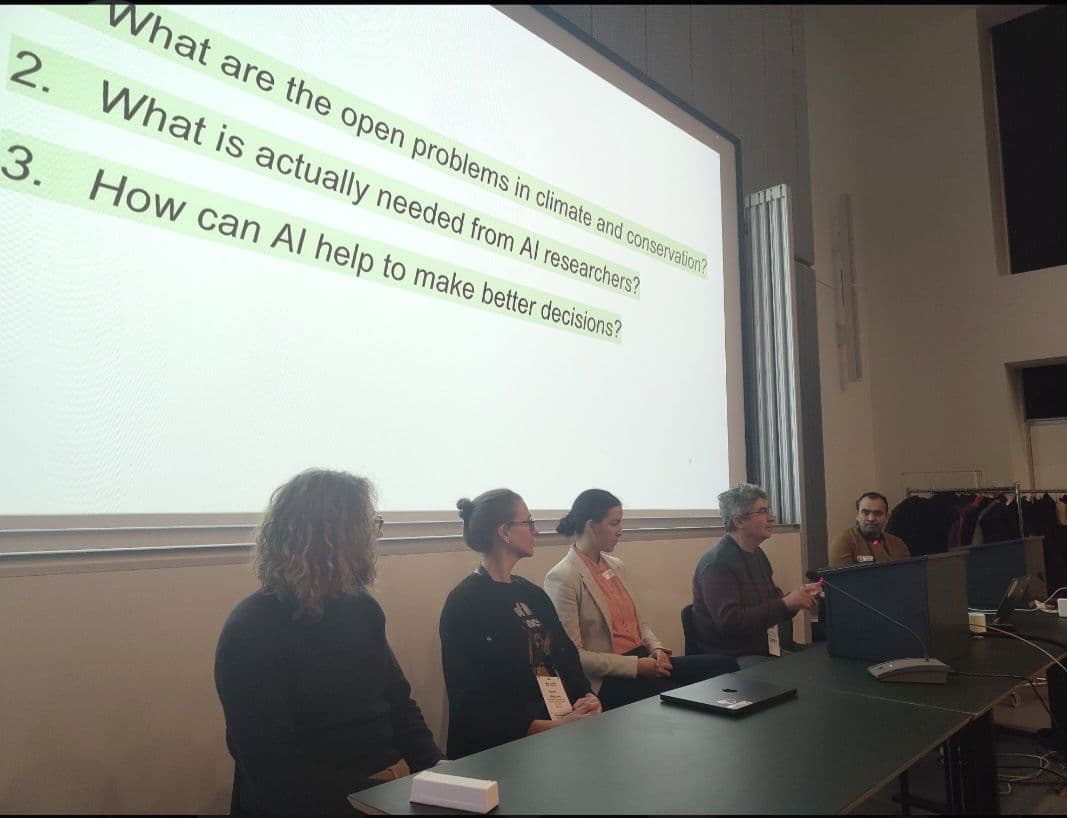
The program was guided by the following questions:
- What are the open problems in climate and conservation? (for modellers, practitioners)
- What is actually needed from AI researchers?
- How can AI researchers contribute and help practitioners make better decisions?
- How can AI help to make better decisions?
Further information about the AICC Workshop can be found on it's website here.
Watch the recordings from the AICC Workshop on the Climate AI Nordics YouTube channel here.
The AICC Workshop was co-organized by the AI for Climate and Conservation P1 Program Directors, Ankit Kariryaa, Nico Lang, and Joakim Bruslund Haurum, in partnership with Climate AI Nordics, and supported by the Danish Data Science Academy (DDSA), RISE, and P1.
About the AI for Climate & Conservation P1 Program
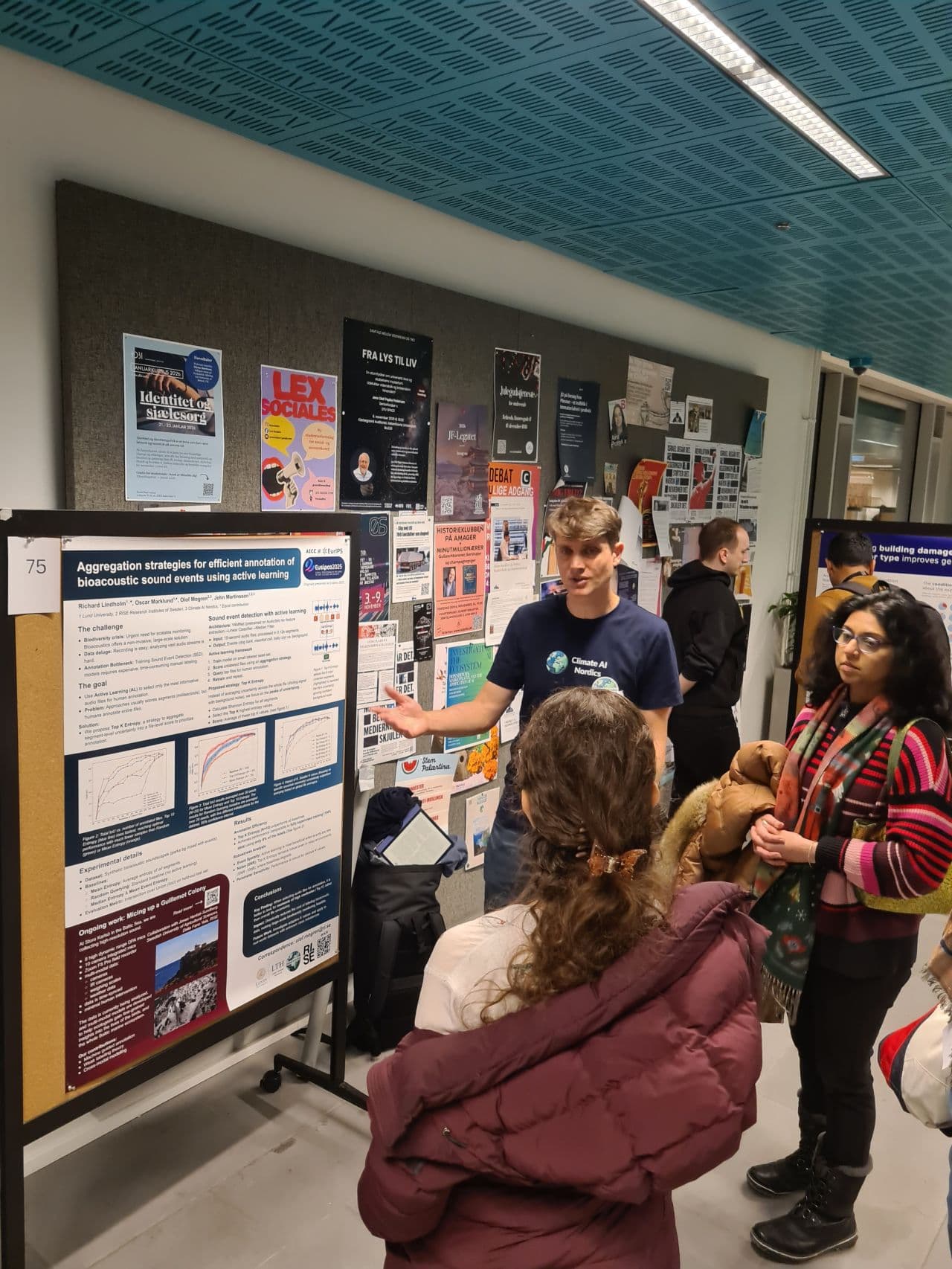
Directed by Ankit Kariryaa, Nico Lang, and Joakim Bruslund Haurum, the P1 Program AI for Climate and Conservation brings together Danish AI and domain researchers working in biodiversity conservation and environmental monitoring. Its aim is to strengthen ties between academic and industrial stakeholders by disseminating recent advances in relevant AI techniques and identifying domain-specific problems where AI can support domain experts. Building on recent progress in AI for climate and conservation, the program spans expert tasks such as biodiversity monitoring and land coverage estimation, as well as core methodological areas including open world learning and fine-grained categorization. In addition to image-based data, the program incorporates diverse modalities such as biodiversity soundscapes, textual descriptions, DNA data, and multimodal approaches. By actively including practitioners and end-user stakeholders, the program grounds research in urgent real-world challenges and encourages the responsible development and use of AI.
Read more about the AI for Climate & Conservation P1 Program here.